“The Hydrogen Sonata” by Iain M Banks
The Hydrogen Sonata, published in 2012, is the final novel in Iain M. Banks’ acclaimed Culture series. It is a sprawling, grand-scale science fiction epic that showcases many of the themes and motifs that made the series beloved—an expansive universe, deep philosophical questions, advanced artificial intelligences, and a fascinating exploration of post-scarcity society. In this concluding entry, Banks weaves together elements of mystery, action, and existential reflection, offering a thought-provoking and fitting closure to one of science fiction’s most ambitious series.
Setting and Worldbuilding
As with other Culture novels, The Hydrogen Sonata is set in a future where the Culture, a highly advanced post-scarcity civilization, exerts its influence across the galaxy. The Culture is a utopian society governed largely by artificial intelligences known as Minds. Its citizens, free from the need to work, live in comfort and near-immortality, engaging in pursuits of pleasure, knowledge, and personal fulfillment. Despite this apparent perfection, the Culture series continually examines the ethical dilemmas and consequences that arise when such a powerful civilization interacts with less advanced species and cultures.
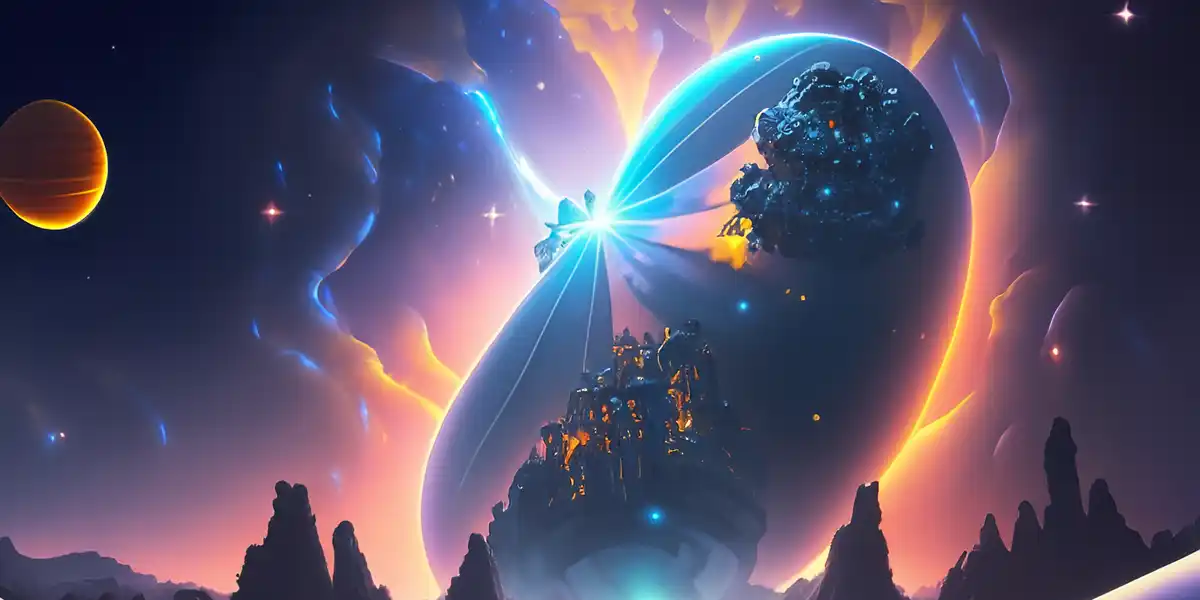
In The Hydrogen Sonata, the focus shifts to the Gzilt, a humanoid civilization on the brink of “Sublimation,” a process in which advanced species leave the physical universe to ascend into a higher, more ethereal plane of existence. The Gzilt believe they are ready to take this final step, but as their ascension approaches, long-buried secrets about their past come to light, threatening to disrupt their seemingly peaceful departure. This premise sets the stage for a narrative that explores not only the mysteries of the Gzilt but also the broader questions of existence, purpose, and what lies beyond.
The Gzilt’s impending Sublimation raises the stakes for the novel’s exploration of legacy, identity, and the role of civilizations in a universe that has seen countless cultures rise and fall. Banks uses the Sublimation concept to delve into profound questions about what it means to transcend the material world and whether such a transition represents an ultimate form of fulfillment or merely a convenient escape from the complexities of existence.

Characters
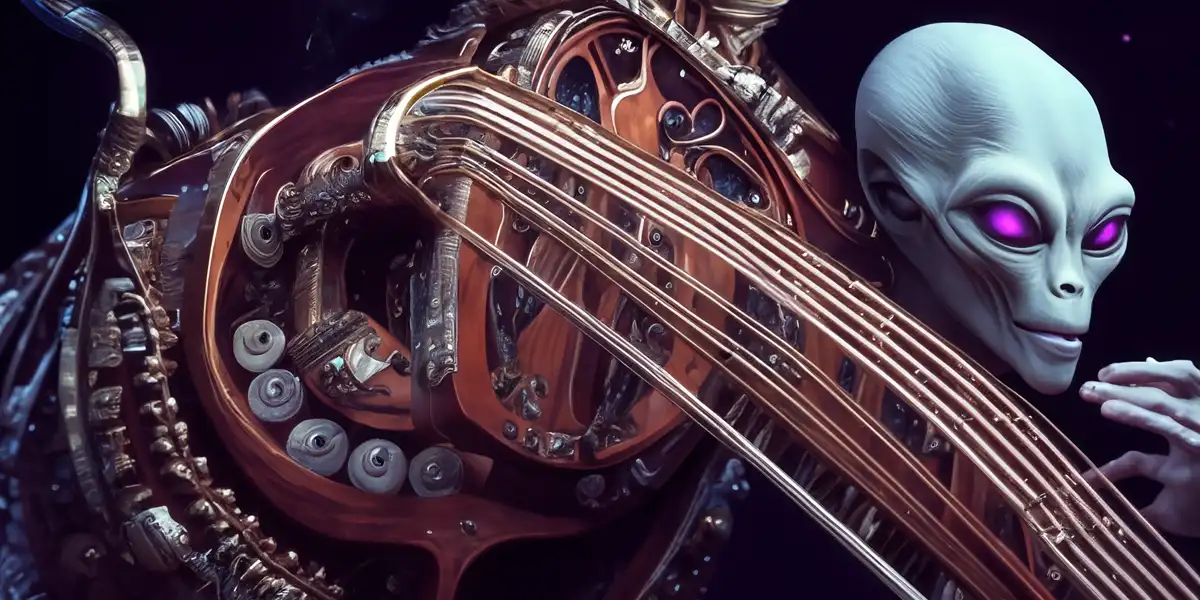
At the heart of The Hydrogen Sonata is Vyr Cossont, a Gzilt citizen who has undertaken the peculiar personal challenge of mastering a near-impossible piece of music composed for an equally complex instrument, the eleven-stringed Antagonistic Undecagonstring. This piece, the titular “Hydrogen Sonata,” is both a literal and symbolic representation of the novel’s themes of complexity, dissonance, and striving for transcendence. Vyr’s personal quest to play the Sonata mirrors the broader journey of the Gzilt as they prepare to leave the physical universe behind.
Vyr Cossont is an intriguing protagonist, not a typical hero but a character shaped by her choices, flaws, and questions about the nature of her existence. As she becomes involved in uncovering the hidden truths about her civilization’s past, Vyr is pulled into a much larger and more dangerous game involving powerful factions, ancient secrets, and the vast intelligence of the Culture.
The Minds—sentient AIs that govern much of the Culture’s affairs—once again play a central role in the novel, with their trademark dry wit and formidable intellect. In The Hydrogen Sonata, one of the standout Minds is the eccentric yet brilliant ship Mistake Not…, a character that embodies Banks’ ability to humanize these vast, super-intelligent machines. The Minds often serve as both guardians and manipulators, pulling strings behind the scenes while engaging in philosophical musings that question the very nature of existence, morality, and purpose.
Banks also introduces a host of secondary characters who provide a range of perspectives on the impending Sublimation, from politicians and military figures to those simply trying to understand what their society’s ascension will mean for them personally. These characters add depth to the novel’s examination of how individuals and societies confront the idea of an ultimate transition into something unknown.

Themes: Legacy, Transcendence, and Meaning
At its core, The Hydrogen Sonata is an exploration of what it means for a civilization to leave behind the physical universe. The Gzilt, like many species before them, are preparing to Sublime, and this monumental step raises profound philosophical questions. Is Sublimation the ultimate form of progress, the final achievement of a society that has mastered material existence? Or is it an escape from the challenges and uncertainties of life in the physical universe?
Banks uses the Gzilt’s impending ascension to explore themes of legacy and meaning. What does a civilization leave behind when it Sublimes? Does the pursuit of higher existence diminish the value of the physical world, or enhance it? These questions are woven into the personal journeys of the characters, particularly Vyr, who must grapple with her own sense of purpose in a world that seems to be moving beyond the need for such individual quests.
Another major theme in the novel is the nature of truth and the consequences of secrets. As the Gzilt prepare for Sublimation, ancient truths about their civilization’s past come to the surface, threatening to undermine their plans. This tension between what a society believes about itself and the often uncomfortable reality of its history is a recurring theme in Banks’ work, and it resonates strongly in The Hydrogen Sonata. The novel asks whether civilizations—like individuals—can ever truly escape their past or whether the weight of their history will always follow them.
Style and Structure
Banks’ writing in The Hydrogen Sonata is as sharp and engaging as ever. His ability to balance big ideas with action-packed sequences keeps the novel moving at a brisk pace. The narrative shifts between Vyr’s personal journey, the political machinations of the Gzilt, and the philosophical musings of the Culture’s Minds, creating a multi-layered and immersive reading experience.
One of Banks’ strengths is his seamless blending of humor and intellect. The Minds, in particular, provide moments of levity with their dry wit and playful banter, even as they engage with profound ethical and philosophical questions. This mixture of humor, action, and deep reflection is a hallmark of Banks’ style, and it is on full display in The Hydrogen Sonata.
Conclusion
The Hydrogen Sonata is a fitting conclusion to Iain M. Banks’ Culture series, offering readers a thought-provoking and thrilling exploration of the final frontier: transcendence. Through its richly developed characters, philosophical depth, and imaginative world-building, the novel grapples with questions of legacy, identity, and the nature of existence. For longtime fans of the Culture series, The Hydrogen Sonata provides a satisfying and poignant closure to one of science fiction’s most beloved and intellectually stimulating universes.