“Matter” by Iain M Banks
Matter is the eighth novel in Iain M. Banks’ Culture series, a science fiction collection renowned for its intricate world-building, philosophical musings, and complex interplay between advanced and less developed societies. Published in 2008, Matter introduces readers to a richly layered narrative that explores the tension between technologically superior civilizations like the Culture and more primitive societies, all while examining themes of duty, power, and the pursuit of meaning in a vast, often indifferent universe.
Setting and Worldbuilding
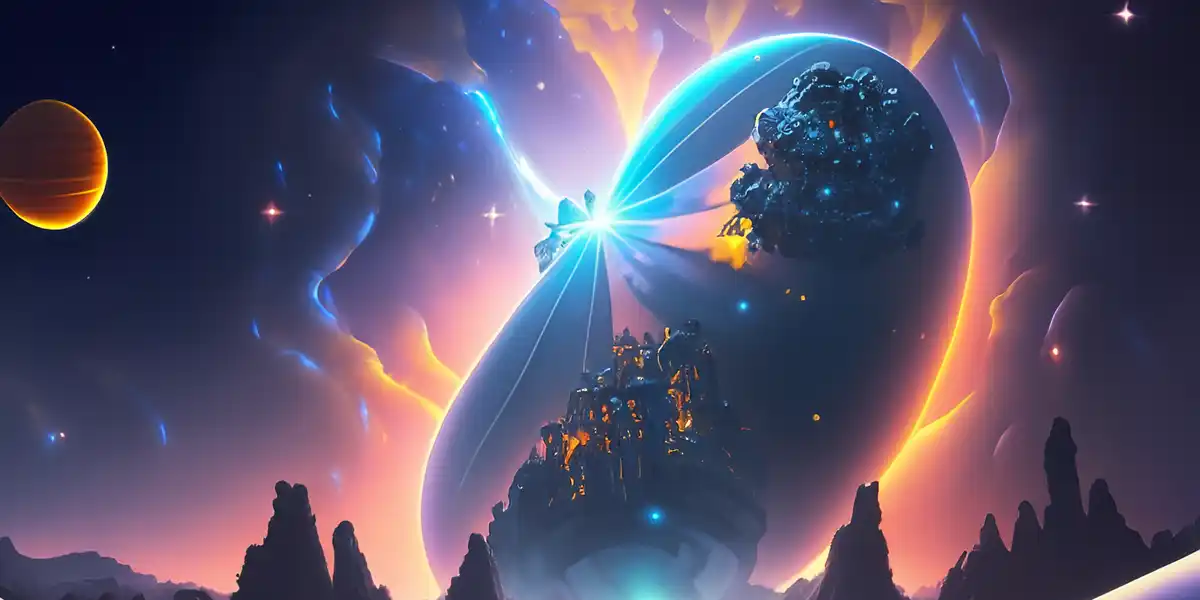
One of the most striking aspects of Matter is the scale and depth of its world-building. Banks is known for creating vast, imaginative universes, and Matter exemplifies this talent in every detail. At the heart of the novel is the Shellworld of Sursamen, an ancient, artificially constructed planet made up of multiple concentric levels, each of which hosts different forms of life. The Shellworld is a relic from an older era, constructed by an unknown race and inhabited by numerous societies, all at varying stages of development. This setting serves as both a literal and metaphorical arena for the exploration of hierarchy and power dynamics, as the inhabitants of Sursamen struggle with the complexities of both internal and external influences.
The Shellworld concept allows Banks to explore a microcosm of civilizations, where more advanced species interact with and manipulate the affairs of less developed societies. The Culture, the overarching civilization in Banks’ series, is a post-scarcity utopia characterized by its near-omnipotent artificial intelligences (AIs) and liberal ideology. However, the Culture’s ethos of non-intervention is put to the test when its members encounter less advanced societies like those on Sursamen, leading to a critical examination of whether true non-interference is ever possible—or desirable.
Banks layers his world-building with a sense of mystery, as the origins and purpose of the Shellworlds remain largely unknown, leaving the reader with a tantalizing sense of awe. The sheer complexity of Sursamen, with its various levels, environments, and cultures, speaks to Banks’ ability to craft worlds that feel genuinely lived-in and multifaceted. The novel is also enriched by a range of species, from the humanoid inhabitants of Sursamen to the more exotic races such as the Oct, who exert their influence in the political affairs of the planet.

Characters
At the core of Matter are three siblings from the ruling house of the Sarl, one of the civilizations inhabiting Sursamen. Each sibling’s journey provides a different perspective on the events of the novel, allowing Banks to weave together a multi-stranded narrative that explores both personal and political motivations.
The eldest sibling, Ferbin, is a prince who, after witnessing a traumatic event, finds himself on the run and thrust into a quest for justice. His arc is one of survival, revelation, and a growing awareness of the larger forces at play both within his own society and beyond. Ferbin’s journey takes him from the provincial concerns of his home world to the vastness of the Culture, and Banks uses this character to explore the shock and disorientation of someone from a less advanced society encountering the wonders—and moral ambiguities—of a more powerful civilization.
Oramen, the second brother, provides a more introspective counterpoint to Ferbin. As a prince who remains behind on Sursamen, Oramen grapples with the complexities of governance and the burden of responsibility in a world rife with political intrigue and hidden dangers. His arc is one of slow realization, as he comes to terms with the true nature of power and the hidden forces manipulating his world. Oramen’s development is both tragic and profound, offering a meditation on duty and the cost of leadership.
The third sibling, Anaplian, has left the primitive world of Sursamen behind to join the Culture as part of the Special Circumstances division, an elite group that intervenes in the affairs of other civilizations when deemed necessary. Anaplian’s role allows Banks to explore the tension between the Culture’s lofty ideals and the realities of interference in less developed societies. Through her, the novel delves into questions of loyalty and the complicated relationship between the personal and the political, as she is drawn back into the affairs of her home world, despite her immersion in the Culture’s advanced way of life.
Each sibling’s story is compelling in its own right, but together, they form a mosaic of perspectives on power, ambition, and the forces that shape civilizations.

Themes: Power, Morality, and Scale
Matter is a novel deeply concerned with the nature of power, both on a personal and societal level. The Shellworld of Sursamen serves as a microcosm for exploring the dynamics of influence, as various factions—from the Sarl rulers to the meddling Oct and even the Culture—vie for control. Banks does not shy away from depicting the often brutal consequences of this struggle, nor does he offer easy answers about the morality of intervention.
The Culture, as a post-scarcity society with near-limitless resources, represents a utopia in many ways. However, Matter reveals the inherent contradictions in the Culture’s attempts to remain morally neutral while simultaneously exerting subtle (or not-so-subtle) influence over less advanced societies. Banks uses this tension to explore the complexities of empire, colonialism, and the ethical dilemmas that come with immense power. Is it ever possible for a superior civilization to interact with a less advanced one without imposing its values? Can true non-interference exist, or is it always an illusion?
Another key theme in the novel is scale—both in terms of the vastness of the universe and the individual’s place within it. The Shellworld itself, with its towering levels and ancient construction, serves as a reminder of the insignificance of any one species or civilization in the grand scheme of things. This sense of scale permeates the novel, as characters grapple with the realization that their personal struggles are but small threads in a much larger cosmic tapestry.
Conclusion
Matter is a rich, thought-provoking entry in Iain M. Banks’ Culture series, blending grand-scale world-building with intimate character arcs. Through the interwoven stories of three siblings, the novel delves into themes of power, morality, and the tension between advanced and primitive civilizations. Banks’ exploration of the complexities of intervention and the moral ambiguities of utopia make Matter a deeply engaging read, one that resonates long after the final page is turned.