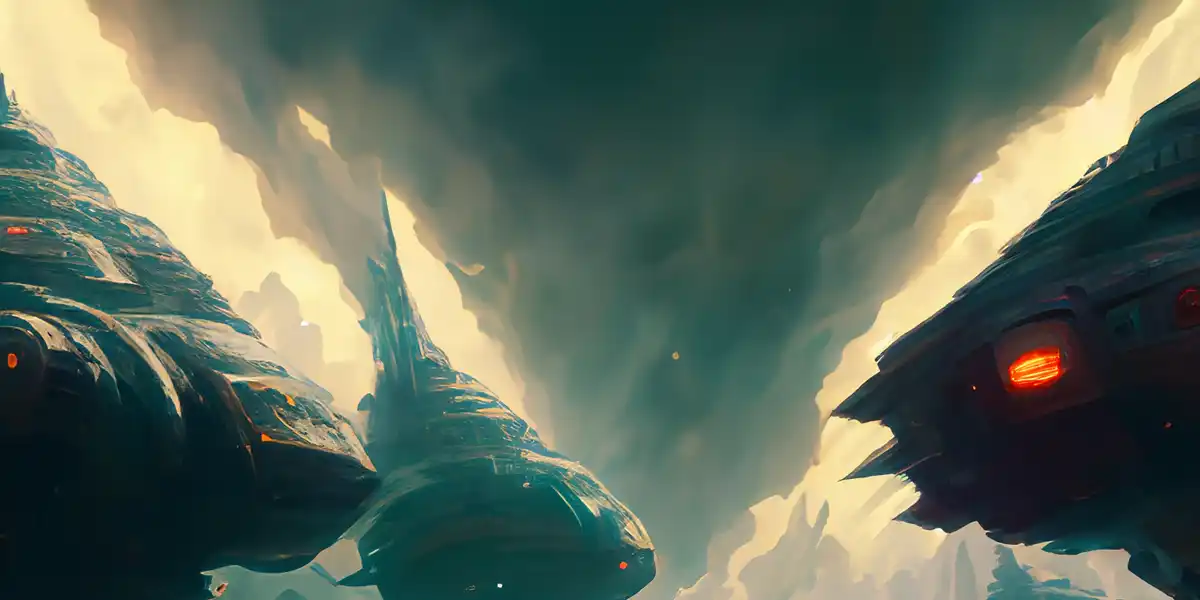

“Consider Phlebas” Iain M Banks
“Consider Phlebas,” published in 1987, is the first novel in Iain M. Banks’ celebrated Culture series, a space opera that seamlessly blends complex world-building, philosophical musings, and thrilling action. Set against the backdrop of a vast interstellar war between the Culture, a utopian, highly advanced post-scarcity civilization, and the Idirans, a rigidly hierarchical, theocratic race, the book explores themes of identity, morality, and the nature of war through the journey of its protagonist, Bora Horza Gobuchul.
The Culture vs. The Idirans
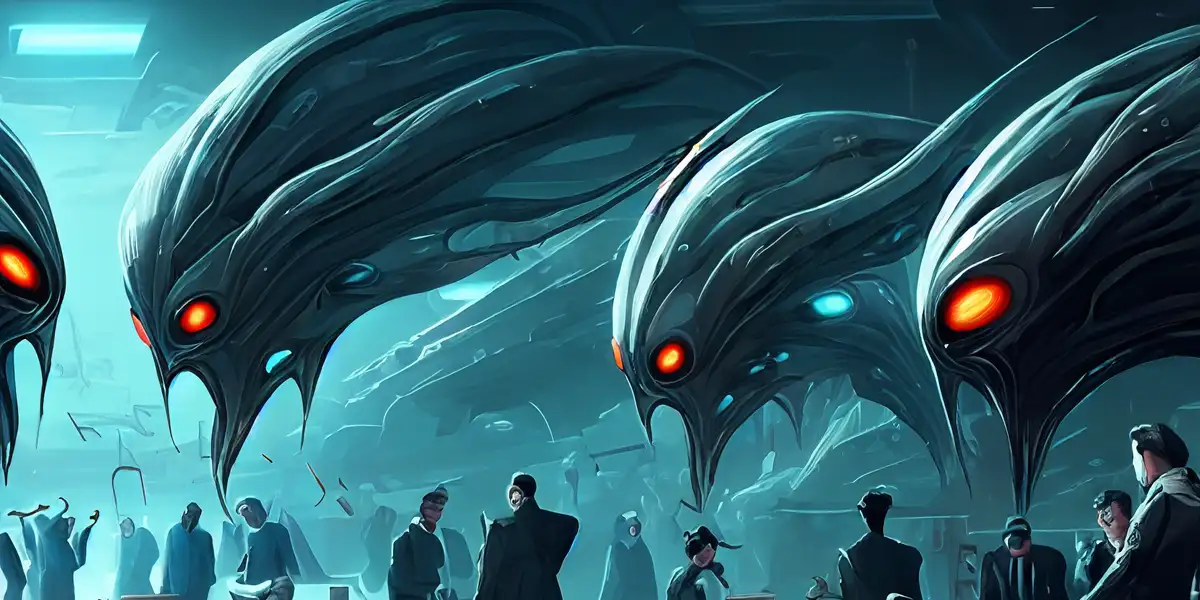
At the heart of Consider Phlebas is the conflict between two opposing civilizations. The Culture, a post-scarcity society where artificial intelligences (known as Minds) govern almost every aspect of life, offers its citizens freedom, pleasure, and fulfillment. However, its central philosophy of hedonism, where war seems almost an aberration, faces a serious moral challenge in the form of the Idirans. The Idirans are a warlike, religious species with an unshakable belief in their divine purpose, driven by their expansionist theocracy. This central conflict, where both sides claim moral righteousness, provides much of the tension in the novel.
Banks doesn’t offer a clear moral compass, leaving readers to decide for themselves which side is more justified. The Culture is portrayed as a near-perfect society, but one that is willing to wage war to protect its values and defend its way of life. On the other hand, the Idirans fight for their religion and survival, making the conflict resonate on a personal and existential level for them. This moral ambiguity forces readers to grapple with the nature of war and the sacrifices made on both sides in the name of ideology.

The Protagonist: A Flawed Hero
Bora Horza Gobuchul is not the typical hero you might expect from a space opera. In fact, he is very much the antithesis of the Culture’s values, and this makes him a fascinating character to follow. As a Changer—a human who can alter his appearance at will—Horza has a unique perspective on life. He sides with the Idirans, opposing the Culture’s reliance on machines and its post-humanist utopia. Horza’s disdain for the Culture stems from his belief that its citizens are complacent and have lost touch with the struggle and hardships that define humanity. For him, life in the Culture is a hollow existence, devoid of purpose.
Throughout the novel, Horza is depicted as a deeply flawed individual. He is not a traditional protagonist driven by altruistic goals or noble ideals. Instead, he is motivated by personal beliefs and his own biases, making him more relatable and grounded despite his larger-than-life setting. His journey is not just a physical one through dangerous territories but also an internal exploration of his own principles and the cost of sticking to them. In a way, Horza’s struggle against the Culture mirrors the larger ideological battle at play.
Themes of War and Morality
Consider Phlebas examines the toll that war takes on individuals and civilizations, regardless of technological advancements or moral certitude. The novel’s portrayal of war is not romanticized; it is messy, brutal, and filled with senseless death. Banks dives deep into the chaos of battle, portraying both small-scale skirmishes and large fleet engagements with visceral intensity. The sheer scale of destruction caused by the conflict between the Culture and the Idirans underscores the often tragic and futile nature of war.
Yet, Banks doesn’t just focus on the action. He weaves in philosophical undertones about the nature of conflict, the ethics of artificial intelligence, and the human (and alien) condition. The Culture’s near-omnipotent AIs challenge traditional notions of free will and agency. Do humans still have a place in the universe when machines can think and act faster, smarter, and more morally than they can? The Idirans’ religious fervor, on the other hand, raises questions about belief systems and the lengths beings will go to in defense of their worldview.
What makes Consider Phlebas stand out in the science fiction genre is its refusal to offer simple answers to these complex questions. Instead, Banks invites readers to ponder the many shades of gray that exist between the black-and-white morality often depicted in space operas. The characters’ motivations are diverse and often conflicting, and it’s hard to root for any single side without questioning their actions.

World-Building and Imagination
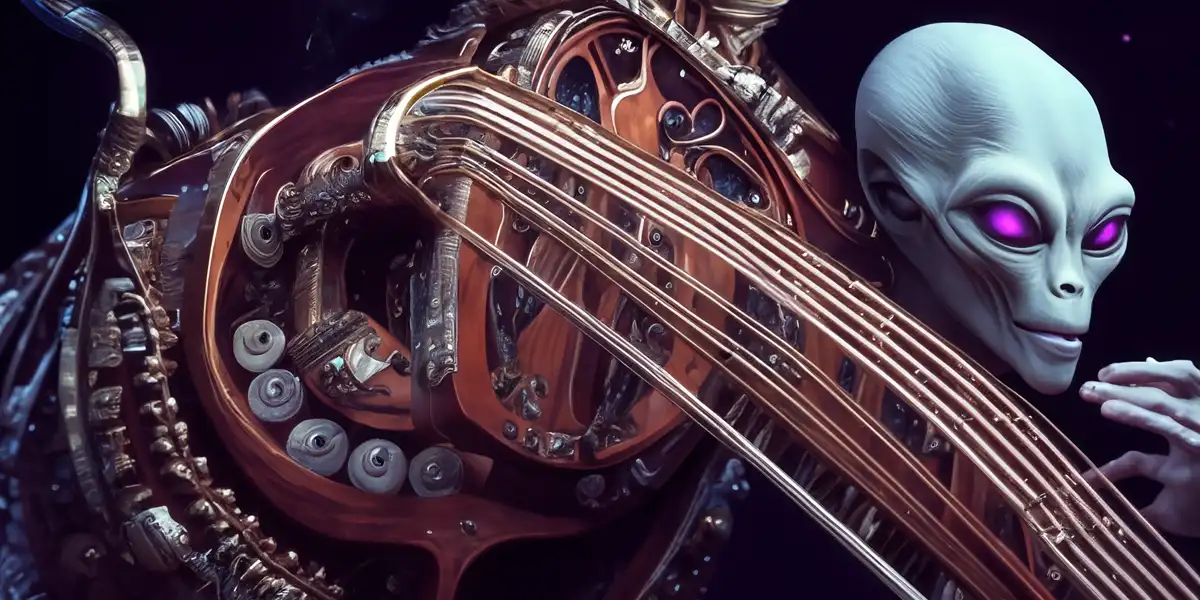
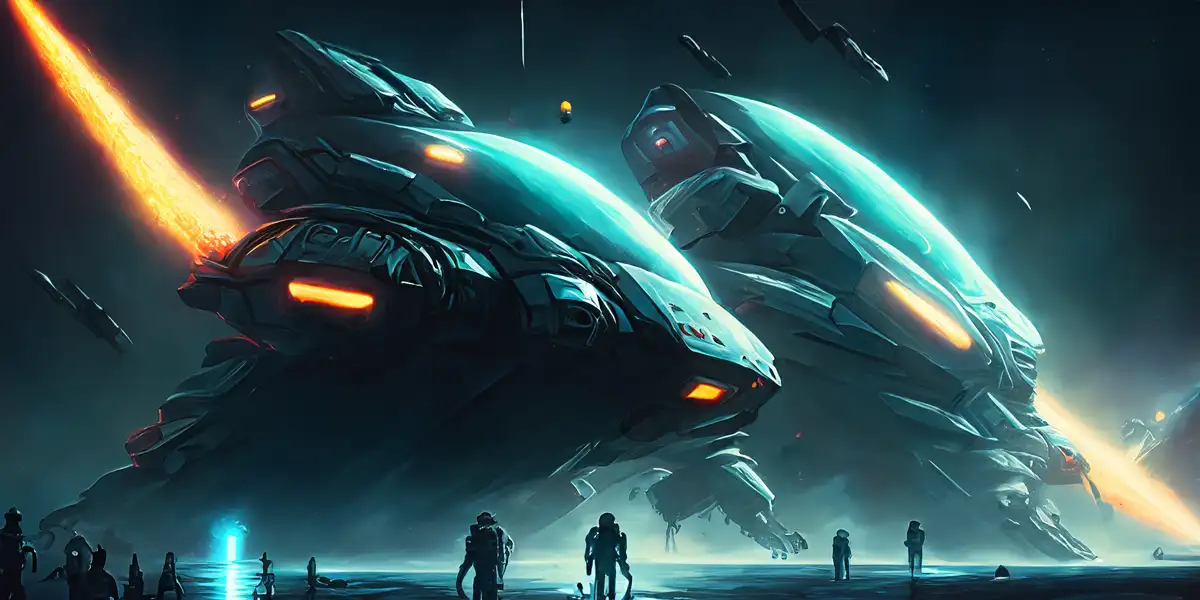
One of the most impressive aspects of Consider Phlebas is the sheer depth and breadth of the world Banks has created. The Culture series is renowned for its expansive universe, and this first book sets the stage with remarkable imagination. From vast starships piloted by sentient AIs to exotic alien species and strange, inhospitable planets, Banks crafts a universe that feels alive and brimming with possibility.
The scale of the book is truly epic. It takes readers from space battles to dangerous planetary landscapes, from claustrophobic spaceship interiors to bizarre alien constructs. There’s always something new and unexpected around the corner, and Banks excels at creating environments that feel both immersive and alien. However, the sheer scope of the novel can at times feel overwhelming, especially for readers unfamiliar with space operas or those looking for more character-driven stories.
Conclusion
“Consider Phlebas” is a complex and ambitious introduction to the Culture series, blending space opera with philosophical inquiry in a way that challenges readers’ perceptions of morality, war, and society. Banks’ talent for world-building is on full display, and the novel is filled with thrilling action sequences, memorable characters, and a deep exploration of the ethical dilemmas that arise when civilizations collide.
While the novel’s pacing can sometimes be uneven, and the sheer scale of its world-building may overwhelm some readers, Consider Phlebas remains a powerful and thought-provoking read. It is a must-read for fans of space opera, science fiction, and anyone who enjoys stories that tackle complex themes without easy answers. Banks’ ability to blend action with intellect ensures that Consider Phlebas will leave a lasting impact on readers long after they turn the final page.