“Look to Windward” by Iain M Banks
Iain M. Banks’ Look to Windward, published in 2000, is the sixth novel in his celebrated Culture series. It explores some of the most profound themes in both science fiction and human experience: grief, guilt, war, and the nature of utopia. Banks’ vivid imagination and philosophical insights make this novel a standout within a series that is already known for its depth and complexity. At the heart of Look to Windward lies a meditation on the consequences of power, the scars of violence, and the heavy burden of living with past decisions.
Setting and Worldbuilding
The Culture novels are set in a distant future where the “Culture,” a vast, post-scarcity, interstellar civilization, spans the galaxy. It is a utopia in many ways, boasting almost unlimited resources, advanced technology, and artificial intelligences (AI) that govern the day-to-day existence of its inhabitants. In the Culture, people live for hundreds of years, their desires are easily met, and war has largely been abolished. However, the series is not an ode to utopia, but a sharp examination of its moral ambiguities, especially when interacting with less advanced or more conflict-ridden civilizations.
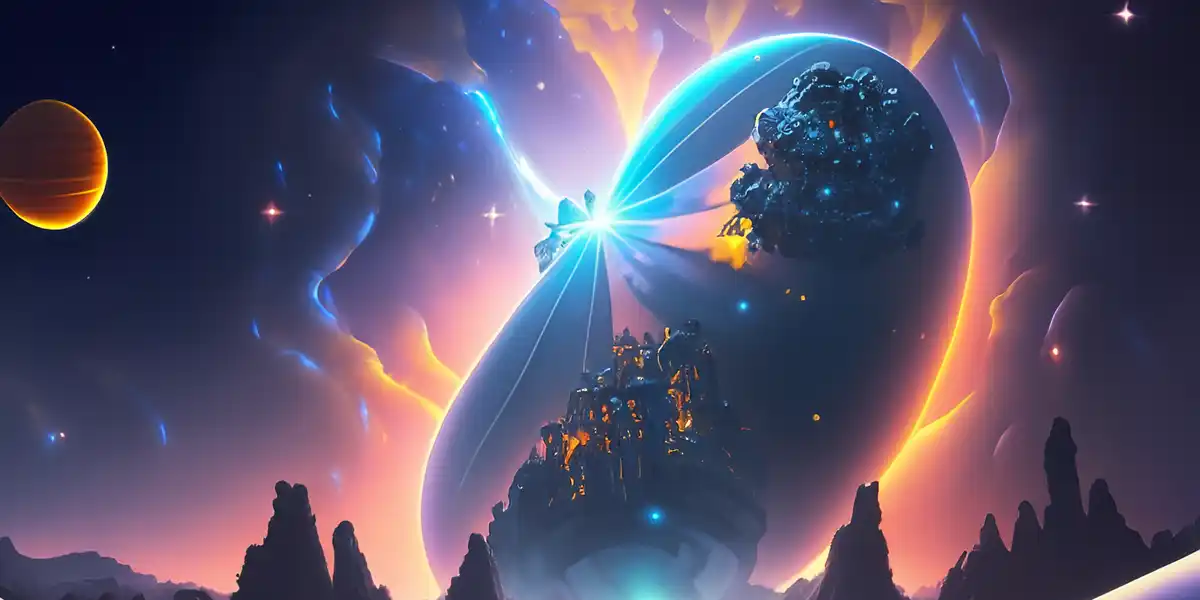
In Look to Windward, the story is centered around a hub of the Culture, the enormous Masaq’ Orbital, a vast artificial habitat home to billions. Here, the hub mind, a sentient AI tasked with overseeing the orbital, interacts with both human and non-human species, revealing the extent of the Culture’s advancements. The richness of Banks’ worldbuilding is always one of his greatest strengths, and Look to Windward is no exception. From mind-boggling technologies to intricate alien species, the universe Banks creates feels expansive and alive.

Themes: Grief and Guilt
The most central theme in Look to Windward is the exploration of grief and guilt, particularly in the context of war and the fallout from decisions made in the past. Banks does this through two interwoven narratives, one centered on a Chelgrian emissary named Quilan, and the other following the Culture’s AI overseeing the Masaq’ Orbital. Both characters carry the emotional and psychological weight of actions taken in the past, each having been marked by the consequences of violence and death in different ways.
Quilan is a tragic figure, a character whose mission is deeply tied to the losses his civilization has suffered due to past conflicts. Through Quilan, Banks offers a sensitive portrayal of the internal struggles and anguish that come with trying to reconcile one’s actions in the face of overwhelming grief. This theme of loss extends beyond personal grief to collective trauma. The novel examines how entire civilizations can bear the scars of conflict, even long after the wars have ended.
On the other side, the hub mind—a being of immense intelligence and capability—is also grappling with guilt. Despite its near-godlike powers, the AI shows that even the most advanced beings in Banks’ universe are not immune to the consequences of their actions. Banks uses the hub mind to interrogate questions about morality and the limits of even the most well-meaning civilizations when their actions result in unintended devastation.
Moral Complexity and Ethical Reflection
Banks’ Culture series often shines in its moral complexity, and Look to Windward is perhaps one of the most mature explorations of this theme. The Culture itself, despite being portrayed as a near-utopia, is never without its ethical challenges. Its interventions in the affairs of other civilizations are not always free of fallout or tragedy. In this novel, Banks deftly questions the very nature of utopia: Can a society that prides itself on moral superiority ever be free of blood on its hands? Does the sheer power and capability of a society like the Culture come with an inherent responsibility, or an unavoidable complicity?
One of the book’s most striking achievements is its portrayal of this moral ambiguity through both the personal and the grand-scale levels. Quilan’s individual journey is marked by intimate, personal grief, while the hub mind reflects on the larger, systemic consequences of its civilization’s actions. The interplay between the two raises broader questions about the responsibility of powerful nations or entities when dealing with weaker or less advanced societies—a theme that resonates deeply with real-world political and ethical issues.

Characterization
Though Banks’ novels are often driven by ideas and themes, he also manages to create compelling characters whose emotional lives are as rich and complex as the philosophical questions they grapple with. Quilan, for example, is a deeply layered character whose internal pain and mission make him both sympathetic and tragic. Through his interactions with other characters, Banks reveals a sensitive understanding of how trauma and grief shape human—or non-human—behavior. Quilan’s development throughout the novel keeps the reader engaged, as his motivations and internal struggles are gradually revealed.
The hub mind, on the other hand, is one of Banks’ most fascinating creations. Although it is an AI, it is far from cold or detached. The hub mind demonstrates Banks’ ability to write characters that are not only intellectually advanced but emotionally complex as well. Through the hub, Banks explores what it means to be responsible for others’ lives, and whether the weight of that responsibility is bearable, even for a near-omniscient being.
Style and Structure
Banks’ writing in Look to Windward is elegant and thoughtful. While there are moments of action, the novel primarily unfolds through introspection, conversation, and reflection. The pacing may feel slow at times, but it serves to deepen the emotional resonance of the themes. Banks is a master of interweaving narrative threads, and he does so expertly here, moving between Quilan’s journey and the hub mind’s reflections to build a tapestry of interconnected ideas.
Conclusion
Look to Windward is a powerful exploration of grief, guilt, and moral complexity, all set against the backdrop of Banks’ richly realized Culture universe. It asks difficult questions about the consequences of power and intervention, and whether even the most advanced civilizations can escape the shadow of their past. With its thoughtful characters, intricate world-building, and philosophical depth, it stands as one of the finest entries in the Culture series, offering readers not just a compelling science fiction tale, but a profound meditation on the human condition.